

Surya Ashtakam — Kannada Lyrics
Surya Ashtakam Mantra is a sacred Sanskrit hymn honoring Surya, amplifying inner radiance and spiritual enlightenment through solar consciousness.
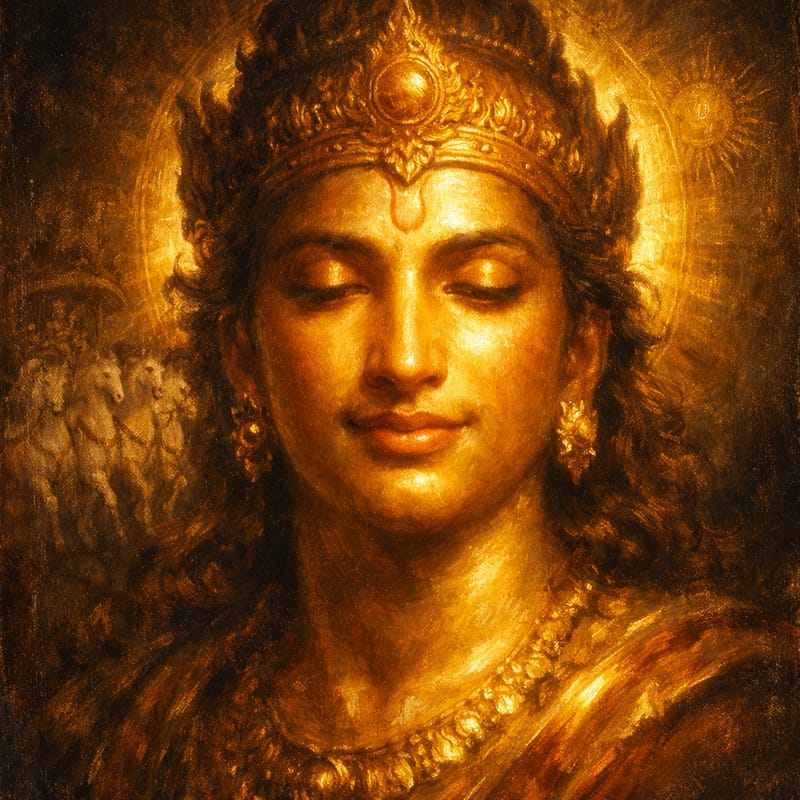
The Surya Ashtakam is an eight-verse Sanskrit hymn of devotion to Surya, the Sun God. Each verse addresses different aspects of the solar deity—his cosmic chariot drawn by seven horses, his radiant form, his role as creator and sustainer of all worlds, and his power to dissolve sin and ignorance. The mantra opens with salutations to the 'Aditya' (primordial deity) and progresses through vivid descriptions: Surya mounted on a red chariot, holding a white lotus, adorned with divine ornaments, and embodying the qualities of Brahma, Vishnu, and Shiva.
Spiritually, Surya represents divine illumination, consciousness, and the eternal light that dispels darkness—both outer ignorance and inner delusion. In Vedic philosophy, the Sun symbolizes Atman (the Self) and Brahman (ultimate reality). Chanting this ashtakam aligns the devotee with solar energy, invoking not mere physical warmth but cosmic consciousness. According to the Bhagavad Gita and Surya Upanishad, meditation on Surya leads to self-realization and liberation. The repeated refrain 'tam suryam pranamamyaham' (I bow to that Surya) cultivates surrender and devotion, transforming the seeker's perception of divinity.
Practitioners traditionally chant the Surya Ashtakam at sunrise, facing the sun or the eastern direction. Begin with 3 full rounds, ideally 108 repetitions weekly for sustained benefits. Maintain proper breath rhythm (pranayama) while chanting. This mantra suits those seeking enhanced vitality, mental clarity, protection from negativity, and spiritual advancement. Beginners may start with weekly practice and gradually increase frequency. Consistency matters more than speed—allow each verse to settle into your consciousness.
Curated by The Mahakatha Team · Original Composition: Mahakatha · Lyric: Traditional / Vedic
Surya Ashtakam
Surya · Preview · 2:00
Preview ended
Ancient sounds for transformation, carried across 3,000 years.
Get the full version — plus 275 more ancient chants. 80% OFF today only.
Get Ancient Chants Bundle — 80% OFF →3000+ happy customers · Lifetime access · All devices
2.2M people trust Mahakatha
Chant daily with reminders — Get the Mahakatha app
Lyrics
आदिदेव नमस्तुभ्यं प्रसीद मम भास्कर । दिवाकर नमस्तुभ्यं प्रभाकर नमोSस्तु ते ॥1॥
ಆದಿದೇವ ನಮಸ್ತುಭ್ಯಂ ಪ್ರಸೀದ ಮಮ ಭಾಸ್ಕರ । ದಿವಾಕರ ನಮಸ್ತುಭ್ಯಂ ಪ್ರಭಾಕರ ನಮೋSಸ್ತು ತೇ ॥1॥
ಓ ಸೂರ್ಯ ಭಗವಂತನೇ, ಆದಿ ದೇವರೇ, ನಿನಗೆ ನನ್ನ ನಮಸ್ಕಾರಗಳು. ದಯವಿಟ್ಟು ನಿನ್ನ ಕೃಪೆಯಿಂದ ನನ್ನನ್ನು ಆಶೀರ್ವದಿಸು, ಓ ಭಾಸ್ಕರನೇ, ದಿನದ ಸೃಷ್ಟಿಕರ್ತನೇ, ಬೆಳಕಿನ ಮೂಲವೇ, ನಿನಗೆ ನನ್ನ ವಂದನೆಗಳು.
सप्ताश्वरथमारूढं प्रचण्डं कश्यपात्मजम् । श्वेतपद्मधरं देवं तं सूर्यं प्रणमाम्यहम् ॥2॥
ಸಪ್ತಾಶ್ವರಥಮಾರೂಢಂ ಪ್ರಚಣ್ಡಂ ಕಶ್ಯಪಾತ್ಮಜಮ್ । ಶ್ವೇತಪದ್ಮಧರಂ ದೇವಂ ತಂ ಸೂರ್ಯಂ ಪ್ರಣಮಾಮ್ಯಹಮ್ ॥2॥
ಓ ಸೂರ್ಯ ಭಗವಂತನೇ, ಏಳು ಕುದುರೆಗಳಿಂದ ಎಳೆಯಲ್ಪಡುವ ರಥದ ಮೇಲೆ ಪರಾಕ್ರಮದಿಂದ ಆರೋಹಿಸಿರುವವನೇ, ಅಪಾರ ಶಕ್ತಿಯುಳ್ಳ ಕಶ್ಯಪನ ಪುತ್ರನೇ, ಬಿಳಿ ಪದ್ಮವನ್ನು ಹಿಡಿದಿರುವವನೇ, ನಿನಗೆ ನಾನು ನನ್ನ ವಿನಮ್ರ ನಮಸ್ಕಾರಗಳನ್ನು ಸಲ್ಲಿಸುತ್ತೇನೆ.
लोहितं रथमारूढं सर्वलोकपितामहम् । महापापहरं देवं तं सूर्यं प्रणमाम्यहम् ॥3॥
ಲೋಹಿತಂ ರಥಮಾರೂಢಂ ಸರ್ವಲೋಕಪಿತಾಮಹಮ್ । ಮಹಾಪಾಪಹರಂ ದೇವಂ ತಂ ಸೂರ್ಯಂ ಪ್ರಣಮಾಮ್ಯಹಮ್ ॥3॥
ಓ ಸೂರ್ಯ ಭಗವಂತನೇ, ಪ್ರಕಾಶಮಾನವಾದ ಕೆಂಪು ಬಣ್ಣದವನೇ, ಎಲ್ಲಾ ಜೀವಿಗಳ ಪಿತಾಮಹನೇ, ನಮ್ಮ ಮರ್ತ್ಯ ಮನಸ್ಸುಗಳಿಂದ ಎಲ್ಲಾ ಪಾಪಗಳನ್ನು ತೊಳೆದುಹಾಕುವ ದೇವರೇ, ನಿನಗೆ ನಾನು ನನ್ನ ವಿನಮ್ರ ನಮಸ್ಕಾರಗಳನ್ನು ಸಲ್ಲಿಸುತ್ತೇನೆ.
त्रैगुण्यं च महाशूरं ब्रह्मविष्णुमहेश्वरम् । महापापहरं देवं तं सूर्यं प्रणमाम्यहम् ॥4॥
ತ್ರೈಗುಣ್ಯಂ ಚ ಮಹಾಶೂರಂ ಬ್ರಹ್ಮವಿಷ್ಣುಮಹೇಶ್ವರಮ್ । ಮಹಾಪಾಪಹರಂ ದೇವಂ ತಂ ಸೂರ್ಯಂ ಪ್ರಣಮಾಮ್ಯಹಮ್ ॥4॥
ಓ ಸೂರ್ಯ ಭಗವಂತನೇ, ಬ್ರಹ್ಮ, ವಿಷ್ಣು ಮತ್ತು ಶಿವರ ಎಲ್ಲಾ ಗುಣಗಳನ್ನು ಹೊಂದಿರುವ ಪರಾಕ್ರಮಿ ಸತ್ತ್ವನೇ, ನಮ್ಮ ಮನಸ್ಸುಗಳಿಂದ ಎಲ್ಲಾ ಪಾಪಗಳನ್ನು ತೊಳೆದುಹಾಕುವ ದೇವರೇ, ನಿನಗೆ ನಾನು ನನ್ನ ವಿನಮ್ರ ನಮಸ್ಕಾರಗಳನ್ನು ಸಲ್ಲಿಸುತ್ತೇನೆ.
बृंहितं तेजःपु़ञ्जं च वायुमाकाशमेव च । प्रभुं च सर्वलोकानां तं सूर्यं प्रणमाम्यहम् ॥5॥
ಬೃಂಹಿತಂ ತೇಜಃಪು಼ಞ್ಜಂ ಚ ವಾಯುಮಾಕಾಶಮೇವ ಚ । ಪ್ರಭುಂ ಚ ಸರ್ವಲೋಕಾನಾಂ ತಂ ಸೂರ್ಯಂ ಪ್ರಣಮಾಮ್ಯಹಮ್ ॥5॥
ಓ ಸೂರ್ಯ ಭಗವಂತನೇ, ಅಗ್ನಿಮಯ ಶಕ್ತಿಯ ಬೃಹತ್ ಸರ್ವವ್ಯಾಪಿ ಸಾನ್ನಿಧ್ಯವೇ, ಆಕಾಶ ಮತ್ತು ವಾಯುವಿನೊಂದಿಗೆ ಏಕರೂಪನೇ, ಬ್ರಹ್ಮಾಂಡದ ದೇವರೇ, ನಿನಗೆ ನಾನು ನನ್ನ ವಿನಮ್ರ ನಮಸ್ಕಾರಗಳನ್ನು ಸಲ್ಲಿಸುತ್ತೇನೆ.
बन्धूकपुष्पसंकाशं हारकुण्डलभूषितम् । एकचक्रधरं देवं तं सूर्यं प्रणमाम्यहम् ॥6॥
ಬನ್ಧೂಕಪುಷ್ಪಸಂಕಾಶಂ ಹಾರಕುಣ್ಡಲಭೂಷಿತಮ್ । ಏಕಚಕ್ರಧರಂ ದೇವಂ ತಂ ಸೂರ್ಯಂ ಪ್ರಣಮಾಮ್ಯಹಮ್ ॥6॥
ಓ ಸೂರ್ಯ ದೇವರೇ, ಕೆಂಪು ಜಪಾಕುಸುಮದಂತೆ ಸುಂದರವಾಗಿರುವವರೇ, ಹಾರ ಮತ್ತು ಕುಂಡಲಗಳಿಂದ ನಿಮ್ಮ ಪ್ರಭೆಯನ್ನು ಹೆಚ್ಚಿಸುವವರೇ, ವಿನಾಶ ಮತ್ತು ರಕ್ಷಣೆಯ ದಿವ್ಯ ಚಕ್ರವನ್ನು ಧರಿಸಿರುವವರೇ, ನಿಮಗೆ ನಾನು ನನ್ನ ವಿನಮ್ರ ನಮಸ್ಕಾರಗಳನ್ನು ಅರ್ಪಿಸುತ್ತೇನೆ.
तं सूर्यं जगत्कर्तारं महातेजःप्रदीपनम् । महापापहरं देवं तं सूर्यं प्रणमाम्यहम् ॥7॥
ತಂ ಸೂರ್ಯಂ ಜಗತ್ಕರ್ತಾರಂ ಮಹಾತೇಜಃಪ್ರದೀಪನಮ್ । ಮಹಾಪಾಪಹರಂ ದೇವಂ ತಂ ಸೂರ್ಯಂ ಪ್ರಣಮಾಮ್ಯಹಮ್ ॥7॥
ಓ ಸೂರ್ಯ ದೇವರೇ, ಜಗತ್ತಿಗೆ ಶಕ್ತಿಯನ್ನು ನೀಡುವ ಮತ್ತು ಜೀವವನ್ನು ಸಾಧ್ಯವಾಗಿಸುವ ಮೂಲವೇ, ನಮ್ಮ ಮನಸ್ಸಿನಿಂದ ಎಲ್ಲಾ ಪಾಪಗಳನ್ನು ತೊಳೆದುಹಾಕುವ ದೇವರೇ, ನಿಮಗೆ ನಾನು ನನ್ನ ವಿನಮ್ರ ನಮಸ್ಕಾರಗಳನ್ನು ಅರ್ಪಿಸುತ್ತೇನೆ.
तं सूर्यं जगतां नाथं ज्ञानविज्ञानमोक्षदम् । महापापहरं देवं तं सूर्यं प्रणमाम्यहम् ॥8॥
ತಂ ಸೂರ್ಯಂ ಜಗತಾಂ ನಾಥಂ ಜ್ಞಾನವಿಜ್ಞಾನಮೋಕ್ಷದಮ್ । ಮಹಾಪಾಪಹರಂ ದೇವಂ ತಂ ಸೂರ್ಯಂ ಪ್ರಣಮಾಮ್ಯಹಮ್ ॥8॥
ಓ ಸೂರ್ಯ ದೇವರೇ, ಜಗತ್ತಿನ ನಾಥನೇ, ಮೋಕ್ಷದ ಮಾರ್ಗದಲ್ಲಿ ಜ್ಞಾನ ಮತ್ತು ವಿವೇಕವನ್ನು ನೀಡುವವರೇ, ನಮ್ಮ ಮನಸ್ಸಿನಿಂದ ಎಲ್ಲಾ ಕತ್ತಲೆ ಮತ್ತು ಪಾಪಗಳನ್ನು ತೊಲಗಿಸುವವರೇ, ನಿಮಗೆ ನಾನು ನನ್ನ ವಿನಮ್ರ ನಮಸ್ಕಾರಗಳನ್ನು ಅರ್ಪಿಸುತ್ತೇನೆ.
॥ इति श्रीसूर्याष्टकस्तोत्रं संपूर्णं ॥
॥ ಇತಿ ಶ್ರೀಸೂರ್ಯಾಷ್ಟಕಸ್ತೋತ್ರಂ ಸಂಪೂರ್ಣಂ ॥
ಹೀಗೆ ಸೂರ್ಯಾಷ್ಟಕ ಸ್ತೋತ್ರವು ಸಂಪೂರ್ಣವಾಗುತ್ತದೆ.
How to Chant Surya Ashtakam
- 1
Find a quiet, clean space
Sit in a comfortable, undisturbed environment. Face east or north if possible. You may light incense or a candle to set a contemplative atmosphere.
- 2
Settle into a comfortable posture
Sit cross-legged on the floor or upright in a chair. Keep the spine erect and place the hands on the knees with palms facing upward.
- 3
Take three cleansing breaths
Inhale slowly through the nose, hold briefly, and exhale completely. Repeat three times to calm the mind and prepare for mantra recitation.
- 4
Begin chanting Surya Ashtakam
Chant the mantra clearly and with devotion — aloud, in a whisper, or silently. Use a mala (108 beads) to count repetitions. Aim for a consistent, unhurried rhythm throughout the session.
- 5
Rest in stillness
After completing your chanting, sit quietly for two to five minutes. Allow the vibration of the mantra to settle within. Close the practice with a moment of gratitude.
Benefits of Surya Ashtakam
-
A prayer for inner radiance and warmth, honouring the sun as the source of life force.
Source: Surya Upanishad; Atharva Veda (Surya Sukta)
-
Devotees chant it to ask for inner impurities and mental obstacles to be cleared, as a path toward spiritual insight and self-knowledge.
Source: Bhagavad Gita 10.12; Traditional Vedic practice
-
Strengthens willpower, courage, and resilience to face life's challenges with unwavering determination.
Source: Yajurveda; Surya Namaskara philosophy
-
A prayer for physical vitality and good health, honouring the sun as the giver of life.
Source: Ayurvedic texts; Traditional Tantra practice
-
Removes mental fog and ignorance, sharpening intellect, concentration, and decision-making capacity.
Source: Upanishadic philosophy; Jnana Yoga traditions
-
A prayer for protection and divine grace.
Source: Puranic hymns; Tantric protection practices
Story & Symbolism
The Surya Ashtakam emerged from the rich tapestry of Vedic-Puranic literature, drawing upon ancient solar hymns found in the Rigveda's Surya Sukta and the Yajurveda's solar meditations. However, the specific eight-verse composition is traditionally attributed to Samba, the accomplished son of Lord Krishna and Jambavati, as recorded in the Bhagavata Purana (Book 10, Chapters 36-39) and the Brahmavaivarta Purana. In the story, Samba, despite his divine parentage, fell victim to a terrible curse that manifested as leprosy, causing his family immense suffering. Desperate and humbled, he turned to sincere devotion toward Surya, the cosmic healer, composing these eight verses as an instrument of worship and propitiation.
The mantra's spiritual architecture reflects deeper Vedantic philosophy: each verse unveils a layer of solar symbolism—from the cosmological (seven horses, chariot) to the metaphysical (Surya as Brahman, the ultimate reality). In Hindu cosmology, Surya represents not merely the physical sun but Atman (the indwelling Self) and the eternal light of consciousness that pervades existence. The repeated invocation 'tam suryam pranamamyaham' (I bow to that Surya) mirrors the Vedantic surrender of ego before cosmic truth. The mantra synthesizes ritual worship, philosophical insight, and healing intention, making it a complete spiritual practice rather than a mere prayer.
Today, the Surya Ashtakam remains central to Surya worship across Hindu temples, yoga traditions, and Vedantic schools. Its transmission through oral lineages and written texts has preserved its potency across millennia. Modern spiritual practitioners—from yogis to householders—continue to invoke Surya through these verses, honoring both the ancient legacy of Samba's devotion and the timeless truth that divine consciousness, like the sun, illuminates all existence.
How to Use in Daily Life
Sunrise Ritual
Chant 3 full rounds facing east at dawn (Brahma Muhurta preferred). Allow sunlight to touch your eyes gently. This synchronizes your biorhythm with solar energy and anchors spiritual intention for the day.
Meditation Practice
After chanting, sit silently for 5-10 minutes visualizing golden light radiating from the solar plexus outward. Sense Surya's presence dissolving inner darkness. This deepens mantra absorption into consciousness.
Midday Acknowledgment
Pause at noon and mentally recite the final verse ('tam suryam jagatam natham') once. This brief reconnection sustains solar alignment throughout your active day and prevents energy depletion.
Evening Integration
Before sleep, recall the day's experiences and mentally dedicate them to Surya. If time permits, chant once softly. This processing transforms daily lessons into wisdom and allows restful sleep infused with solar healing.