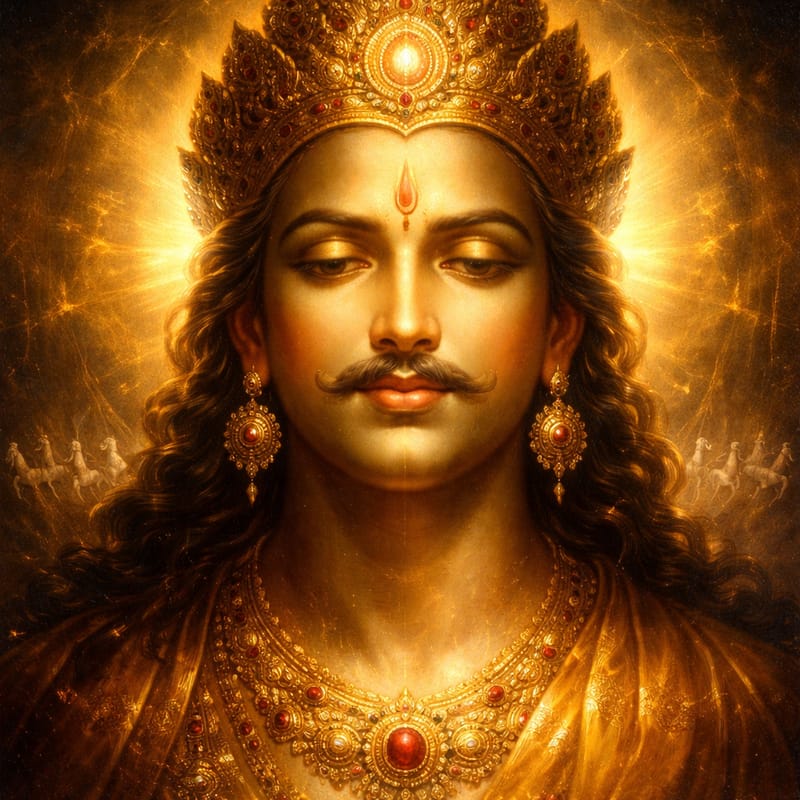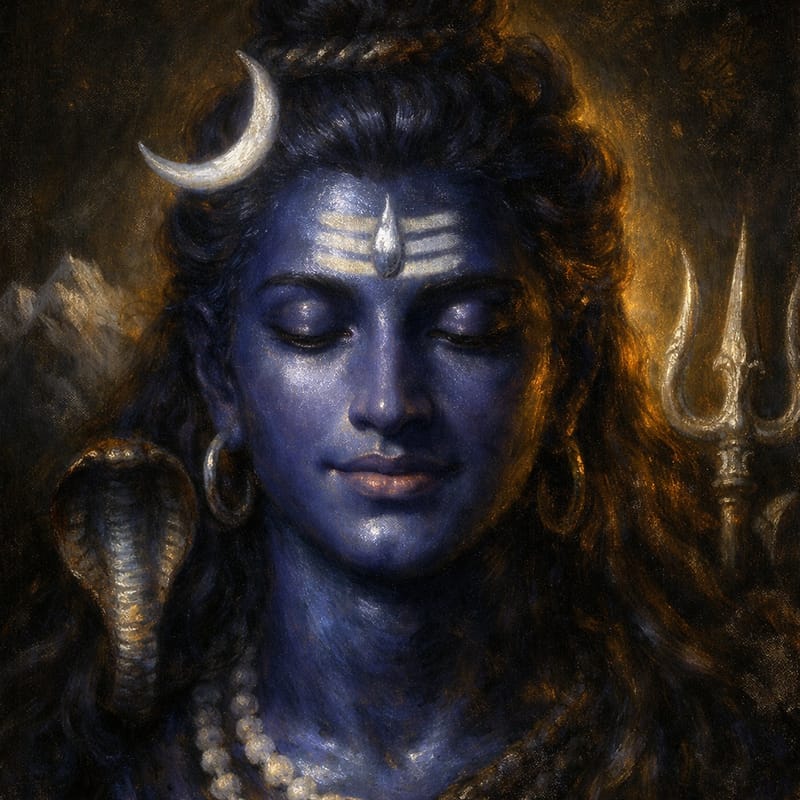


Lord Rama is the prince of Ayodhya and the hero of the Ramayana. Tradition holds him to be the seventh avatar of Vishnu. An avatar is a form the divine takes on earth. He is loved as the ideal son, husband and king. His name is one of the most chanted in India.
Who is Lord Rama?
Rama is a prince who loses a kingdom and keeps his word. He walks into the forest for fourteen years without complaint. He crosses the sea to bring Sita home. Many families teach his name to a child early. In the North his name is also chanted as the dead are carried to the fire.
He is called Maryada Purushottam. Maryada means the right limits. Purushottam means the best of persons. So he is the one who lives within dharma even when it costs him. Dharma means the right way of living.
The name Rama is often read as the one who delights. Many say it is the one in whom yogis delight. Here are a few of his other names.
Ramachandra
Rama who is gentle like the moon. Chandra means moon.
Raghava and Raghupati
The son and lord of the Raghu line. Raghu was a famous king among his ancestors.
Dasharathi
The son of King Dasharatha of Ayodhya.
Kodandarama
Rama with his bow. Kodanda is the name of the bow.
Janakinatha
The lord of Janaki. Janaki is Sita, the daughter of King Janaka.
Ram Lalla
The child Rama. He is worshipped in this form at Ayodhya.
The story of Lord Rama
There is not one Ramayana. There are hundreds. The oldest known telling is the Sanskrit Ramayana credited to the sage Valmiki. Poets in every Indian language retold it in their own way. Jain and Buddhist tellings exist too. In some Jain versions it is Lakshmana who kills Ravana.
Southeast Asia has its own Ramayanas. Cambodia has the Reamker and Thailand has the Ramakien. Laos has Phra Lak Phra Lam. Java has the Kakawin Ramayana. Each one changes the story a little and keeps its heart.
Here is the outline most tellings share. These are stories of faith and devotees read them that way.
The bow at Mithila
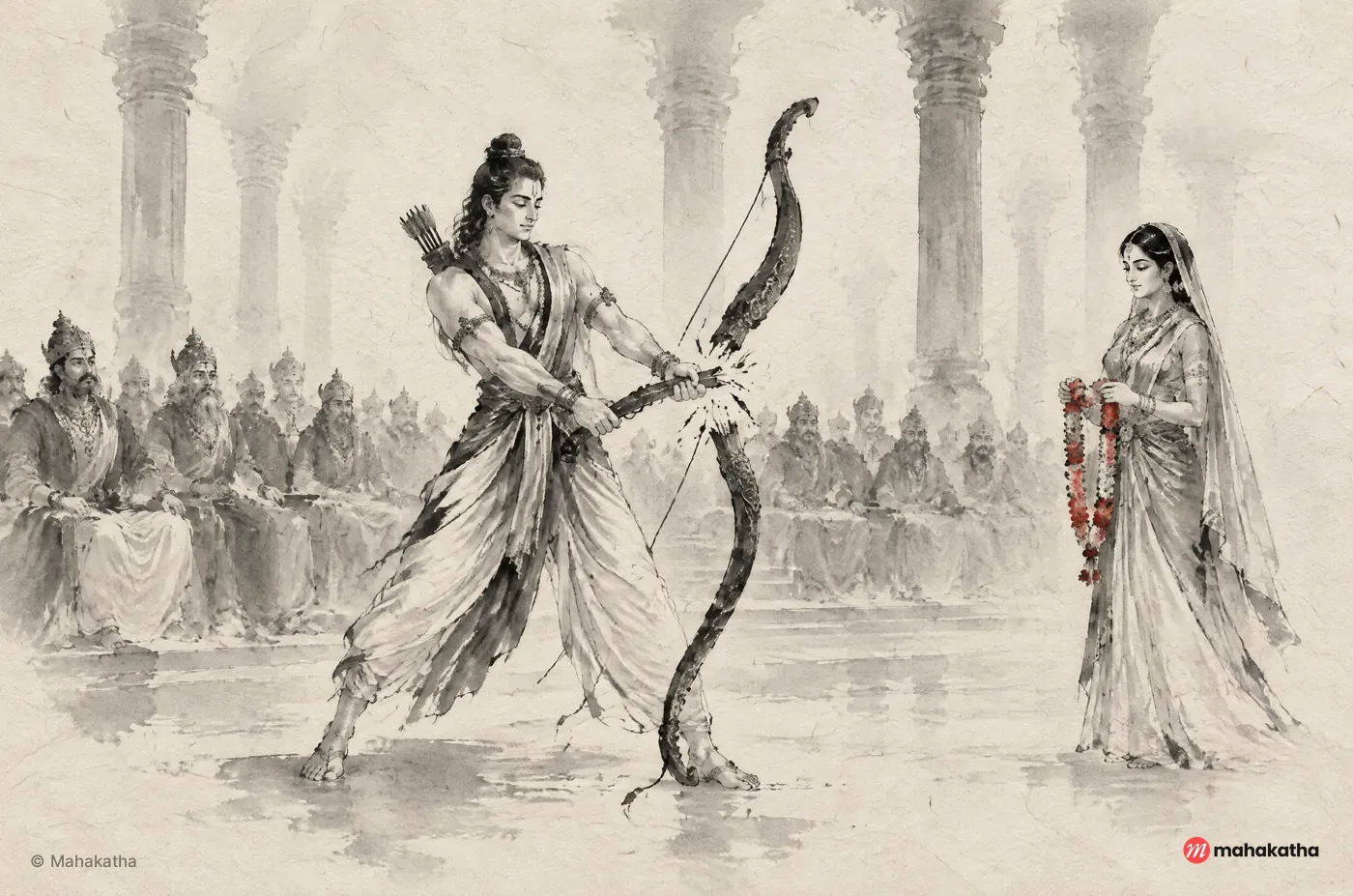
The story says King Janaka of Mithila set a test for his daughter's hand. Whoever could string the great bow of Shiva could marry Sita. Many kings failed to lift it. Rama lifted it and bent it until it broke. In many tellings Sita then placed a garland on him.
Exile to the forest
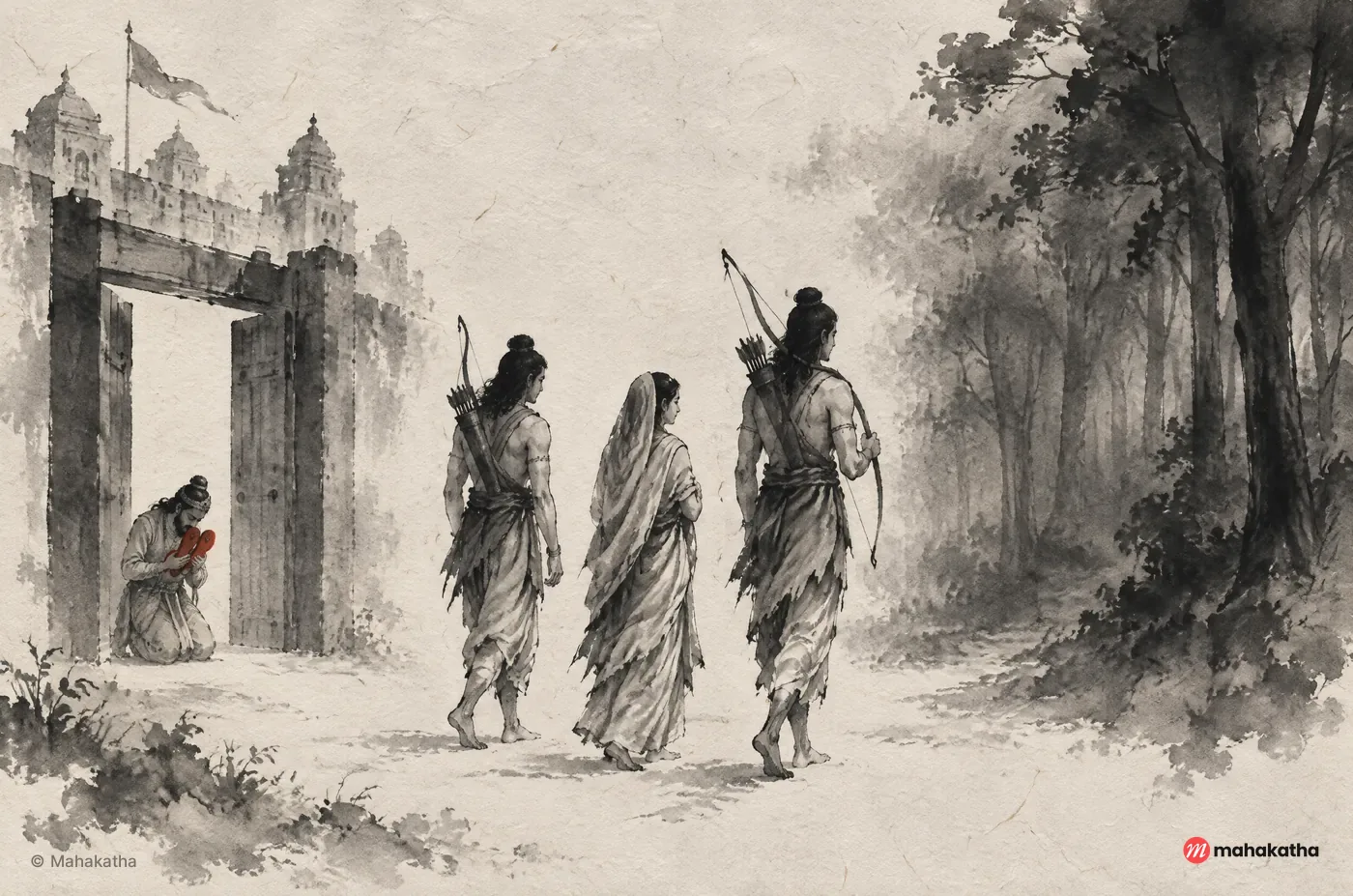
On the eve of Rama's crowning his stepmother Kaikeyi asked for two old boons. Her son Bharata would rule and Rama would leave for fourteen years. Rama left with a calm face. Sita and his brother Lakshmana went with him. Bharata placed Rama's sandals on the throne and ruled in his name.
Sita taken to Lanka
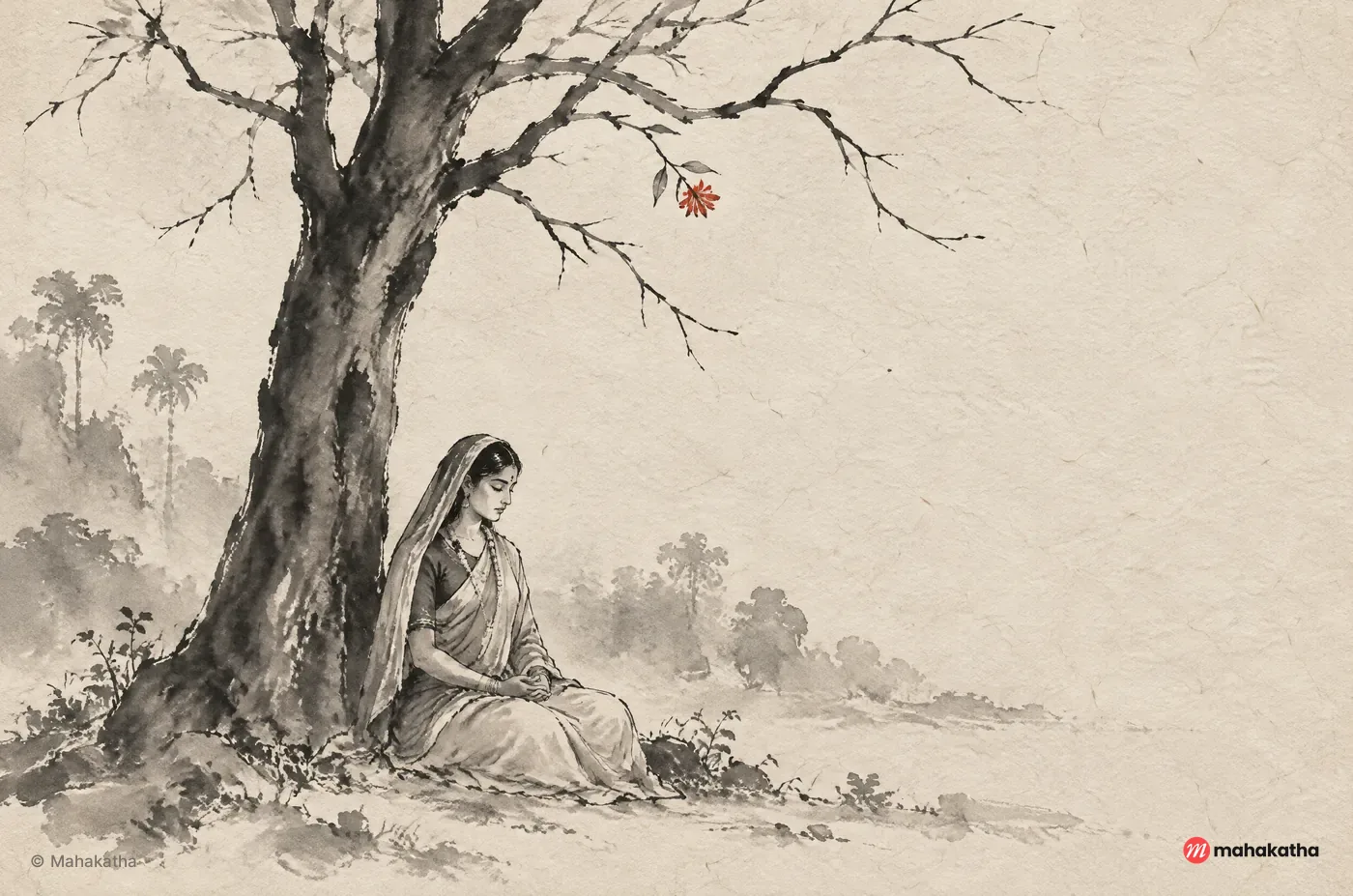
In the forest the demon king Ravana carried Sita away to Lanka. The old vulture Jatayu fought to save her and fell. Rama searched everywhere. In later tellings the forest woman Shabari offers him berries she has tasted first. He eats them with joy because they are given with love.
Hanuman and the bridge
Rama met Hanuman and the monkey king Sugriva. Hanuman leapt across the sea and found Sita in a grove. The monkeys then built a bridge of stones to Lanka. Many tellings say the stones floated because Rama's name was written on them.
The return to Ayodhya
After a long war Ravana fell and Sita was free. Rama returned to Ayodhya. Tradition holds that the people lit lamps to welcome him. The tellings part ways after this. In Valmiki's last book Sita later returns to the earth from which she was born. Some later tellings leave that part out.
How Rama worship grew
Rama was first loved as a hero of story. Over many centuries he came to be worshipped as the divine itself.
The Vedic hymns
Rama is not a deity in the Vedas. The Vedas are the oldest sacred texts of India. Vishnu appears there as a god of three great strides.
The epics
Many scholars place the oldest layers of Valmiki's Ramayana around the middle of the 1st millennium BCE. Later layers may run to the 3rd century CE. The first and last books are often seen as later additions. A short Rama story also appears inside the Mahabharata.
The Puranas
In the Puranas Rama is fully an avatar of Vishnu. Later texts like the Adhyatma Ramayana present him as the supreme being in human form.
Temples in stone
Ramayana scenes were carved on temple walls across India and beyond. The Hazara Rama temple at Hampi and the Prambanan temples in Java are famous examples.
The bhakti poets
Kamban wrote a great Tamil Ramayana in the medieval period. Krittivas retold it in Bengali. In the 16th century Tulsidas wrote the Ramcharitmanas in Awadhi. It became the beloved Rama book of the North. Tyagaraja later sang to Rama in Carnatic music.
Today
Ramlila plays are staged in thousands of towns. A large new temple now stands at Ayodhya. Rama's name is still chanted in homes everywhere.
Rama across India and beyond
Each region tells Rama's story in its own words and keeps its own favourite moments.
North
Here the Ramcharitmanas is read aloud in homes and temples. People greet each other with Ram Ram. Every autumn villages and cities stage the Ramlila. At Orchha in Madhya Pradesh Rama is worshipped as a reigning king.
East
In Bengal the Krittivasi Ramayan is sung in homes. In Mithila on both sides of the India and Nepal border Sita is a beloved daughter. Her wedding to Rama is celebrated there with songs.
South
Tamil devotees treasure Kamban's telling. In Kerala families read the Adhyatma Ramayanam of Ezhuthachan through one whole month of the monsoon. In Telangana the poet Ramadasu sang to Rama at Bhadrachalam.
West
In Maharashtra devotees honour Panchavati at Nashik as a forest home of the exile. The saint Samarth Ramdas spread Rama worship across the region. Ram Navami is kept in Gujarat temples with songs and cradles.
Beyond India
In Thailand the old capital Ayutthaya takes its name from Ayodhya. Kings of the present Thai dynasty are known as Rama. Classical dancers in Cambodia, Bali and Java still perform the Ramayana.
Rama temples across India
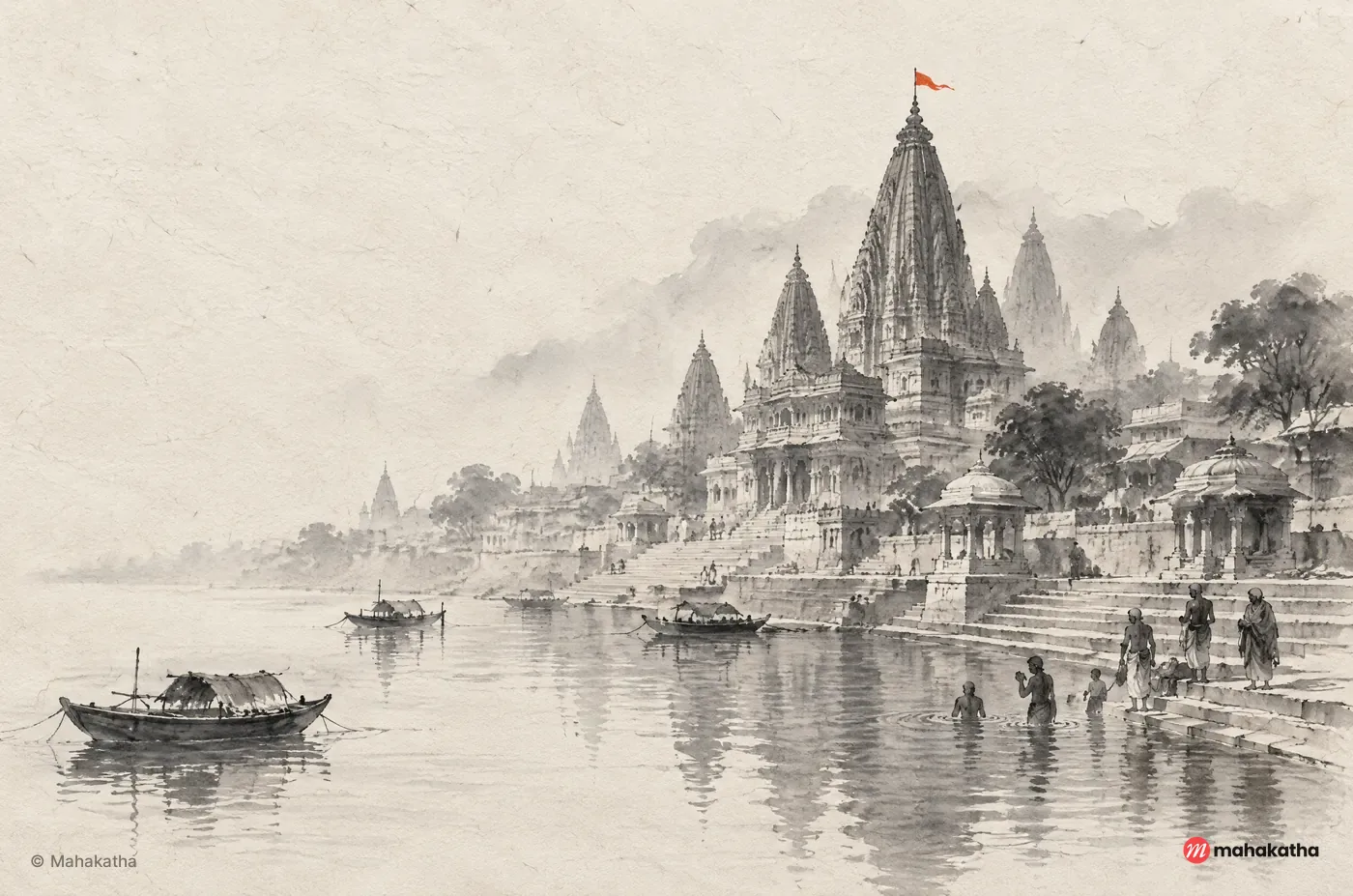
Many places on Rama's path are now places of pilgrimage. Here are some of the best known.
Ram Janmabhoomi Mandir, Ayodhya (Uttar Pradesh)
Devotees honour Ayodhya as his birthplace. The child Rama is worshipped here as Ram Lalla.
Ramanathaswamy Temple, Rameswaram (Tamil Nadu)
A great Shiva temple. Tradition holds that Rama worshipped Shiva here before crossing to Lanka.
Sita Ramachandraswamy Temple, Bhadrachalam (Telangana)
A famous temple on the Godavari river. It is linked with the poet Ramadasu.
Kalaram Temple, Nashik (Maharashtra)
Its image of Rama is carved in black stone. It stands near Panchavati.
Ram Raja Temple, Orchha (Madhya Pradesh)
Here Rama is worshipped as the reigning king of Orchha. Police give him a daily guard of honour as they would a ruler.
Thriprayar Sri Rama Temple, Thriprayar (Kerala)
One of four Kerala temples to Rama and his brothers. Pilgrims visit all four in one day.
Kodandarama Temple, Vontimitta (Andhra Pradesh)
A large old temple to Rama with his bow. It is loved across the Telugu country.
Raghunath Temple, Jammu (Jammu and Kashmir)
A large temple complex to Rama in the heart of Jammu city.
Hazara Rama Temple, Hampi (Karnataka)
A royal temple of the Vijayanagara kings. Its walls carry rows of carved Ramayana scenes.
Janaki Mandir, Janakpur (Nepal)
A temple to Sita in the town held to be her birthplace.
Rama's symbols and what they mean
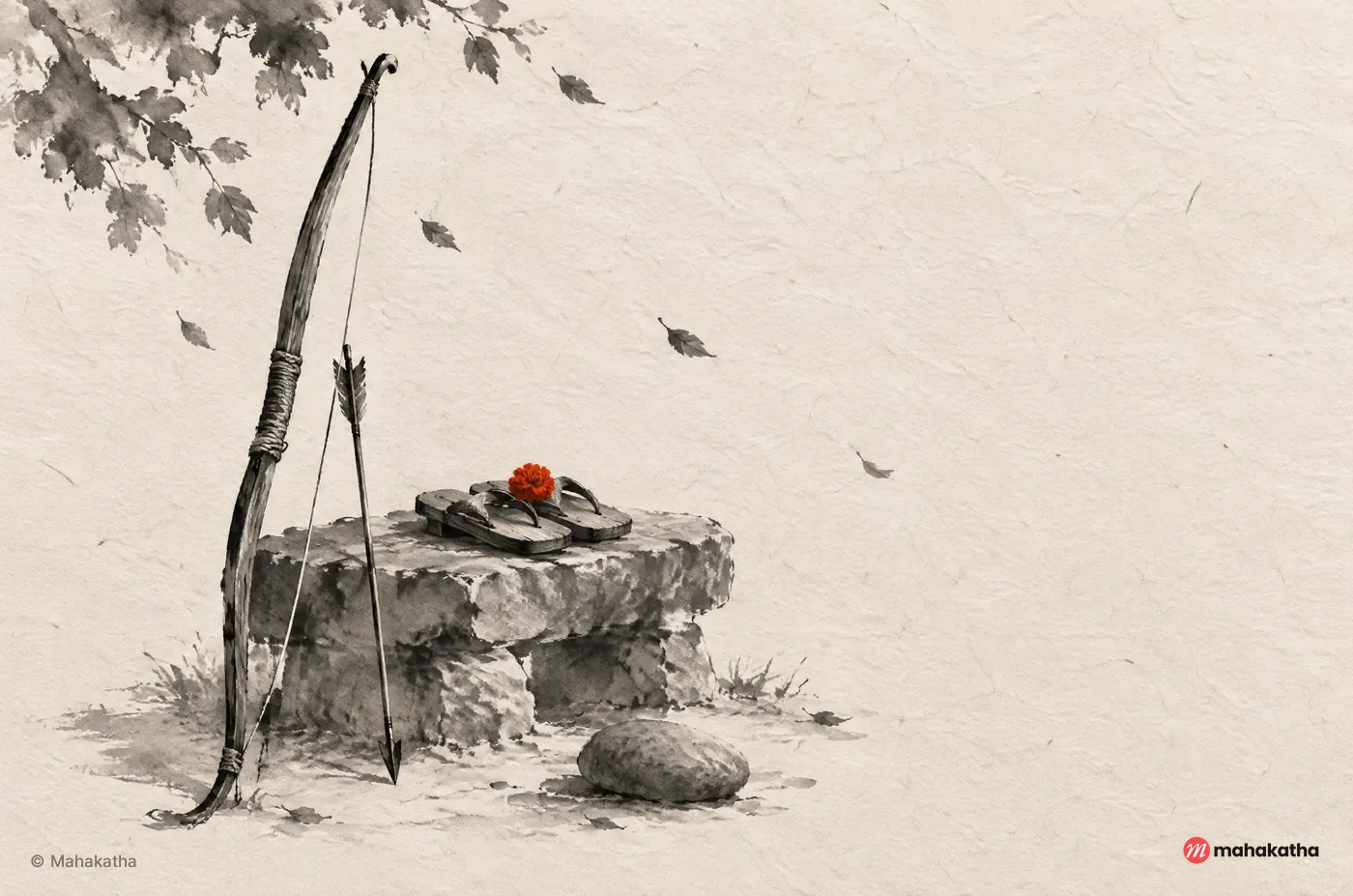
Rama's image is simple. Each part points to a quality we can grow in ourselves.
The bow and arrow
The bow stands for strength held ready. The arrow flies only when it must. Rama is said to need only one arrow.
Sita at his side
Rama is almost never shown alone. Sita beside him speaks of love and courage shared.
Hanuman at his feet
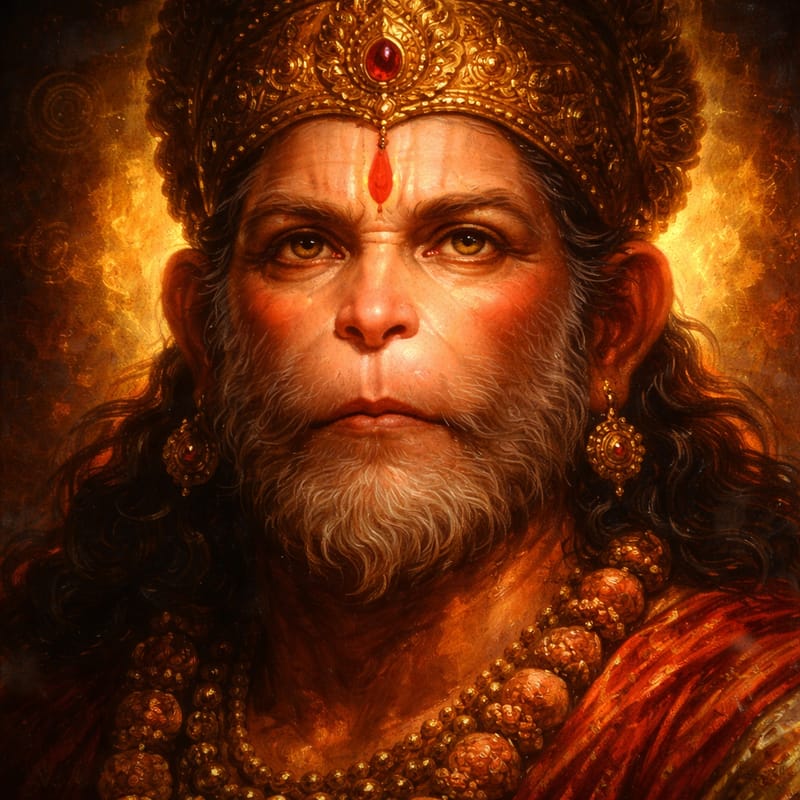
Hanuman kneels with folded hands. He shows that devotion makes us strong.
The sandals
Bharata ruled with Rama's sandals on the throne. It is a picture of humility and trust.
The written name
Devotees write Ram on paper again and again as a practice. The floating stones of the bridge carry the same idea.
The dark skin
Rama is painted the colour of a rain cloud like Vishnu. It speaks of depth and calm.
Rama mantras and shlokas
The name Rama is a mantra in itself. These are some of the Rama chants in our library.
Shri Raam Jai Raam
The chant is “Shri Raam Jai Raam Jai Jai Raam”. It is a simple song of victory to Rama. Many sing it in long kirtans.
Shri Rama Rameti
It begins “sri rama rameti rameti”. Tradition holds that Shiva told Parvati one name of Rama equals the thousand names of Vishnu.
Om Shri Raamaaya Namah
The words are “Om Shri Raamaaya Namah”. It means I bow to Shri Rama. It suits daily japa. Japa means repeating a name with care.
Om Aapadaamapa
It begins “Om Aapadaamapa Harthaaram”. It honours Rama as the one who takes away troubles. Many chant it when life feels hard.
Raamaaya Raamabhadraaya
It begins “ramaya ramabhadraya ramachandraya vedhase”. It bows to Rama by several of his names.
Ramashtakam
Eight verses of praise. It opens “bhaje visheshasundaram samastapapakhandanam”. It sings of Rama's beauty and goodness.
Shri Rama Jaya Rama Kodhanda Rama
The chant is “Shri Raama Jaya Raama Kodhanda Raama”. It honours Rama with his bow.
Rama festivals
Rama's festivals follow his story from birth to return. Some are among the largest festivals in India.
Ram Navami
His birthday. Temples rock a small cradle at noon. Homes read from the Ramayana and share simple sweets.
Dussehra
Also called Vijayadashami. In the North great effigies of Ravana are burned. It marks the victory of good over harm.
Diwali
In the North Diwali recalls the night Ayodhya lit lamps for Rama's return. Homes still light rows of small lamps.
Ramlila
Plays of the whole Ramayana staged over many nights. The Ramlila at Ramnagar near Varanasi is famous.
Vivah Panchami
The wedding day of Rama and Sita. It is celebrated with joy in Janakpur and Ayodhya.
Ramayana month
In Kerala families read the Ramayana each evening through the month of Karkidakam.
Simple ways to bring Rama into your day
Rama's path is simple. Keep your word and be kind. Say his name.
Say Ram with the breath
Sit quietly. Breathe in. As you breathe out say Ram in your mind. Do this for a few minutes.
Write the name
Write Ram slowly in a small notebook. Some people fill a page each morning. It quiets the mind.
Sing with others
Sing Raghupati Raghava Raja Ram with family or friends.
Read a stotram
A stotram is a hymn of praise. Read the Ramaraksha Stotram slowly. Many keep it for the evening.
Keep your word once today
Rama is loved for keeping his word. Choose one small thing you said you would do. Do it today.
What Rama can teach us
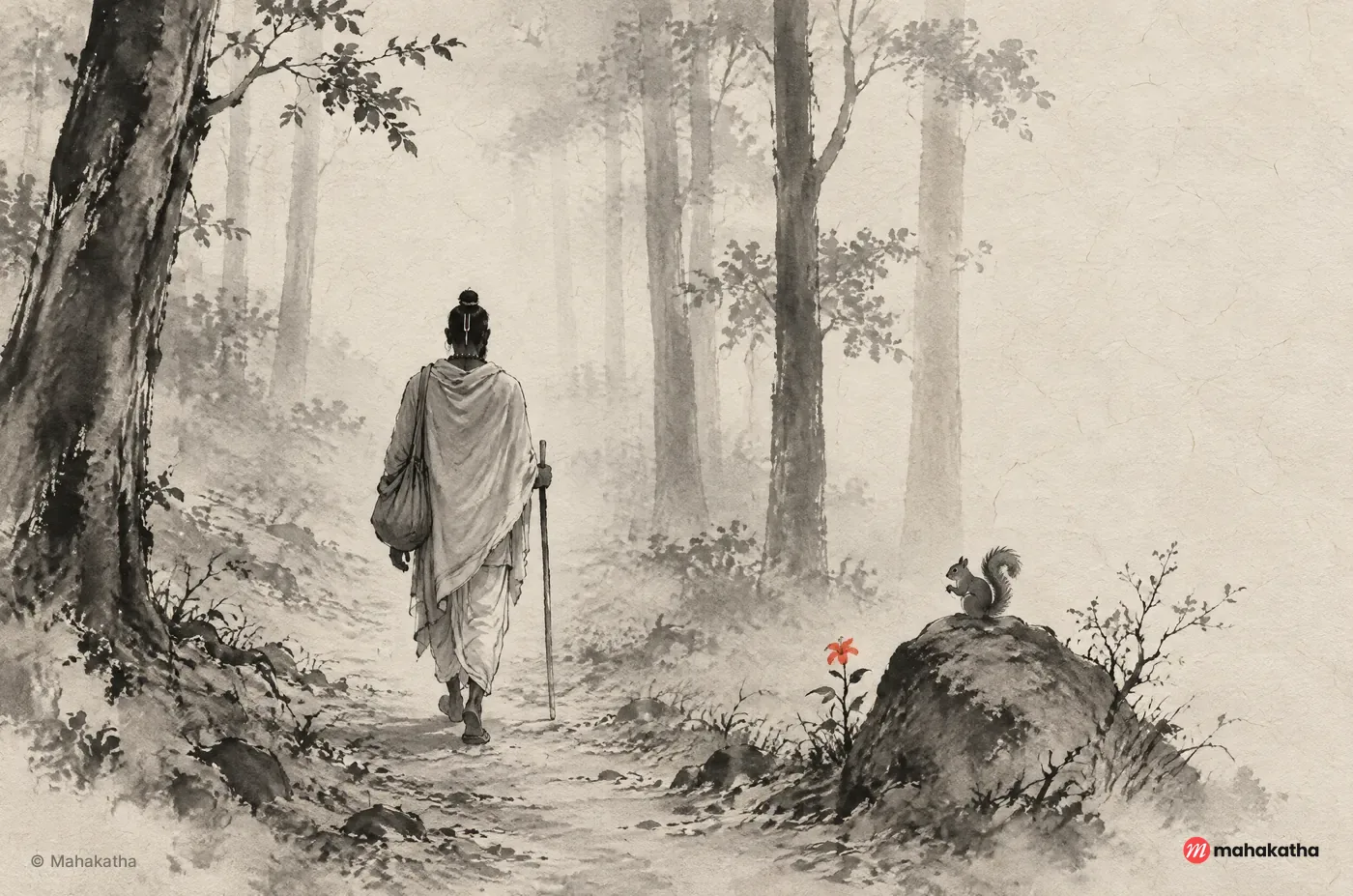
Rama lost a crown in a single night. He did not shout or blame. He bowed and walked into the forest. When life takes away what you planned he shows another way. You can meet it with dignity.
His strength is quiet. He does not boast of the bow. He uses it only when there is no other way. Real strength is often gentle.
Rama is also a friend to the small. In later tellings he eats Shabari's berries. A folk story says he stroked the squirrel who carried pebbles to the bridge. No offering is too small for him. Your small effort matters too.
Many say Rama lives where his name is spoken. You can say it in a crowded train or a quiet room. One soft Ram can bring you back to yourself.
Questions people ask
Who is Lord Rama?
Lord Rama is the prince of Ayodhya and the hero of the Ramayana. Tradition holds him to be the seventh avatar of Vishnu. He is married to Sita and served by his brother Lakshmana and by Hanuman. He is honoured as Maryada Purushottam. It means the ideal person who lives within the right limits.
When was the Ramayana written?
No one knows for sure. Many scholars place the oldest layers of Valmiki's Ramayana around the middle of the 1st millennium BCE. Later layers may run to the 3rd century CE. The dates are debated. Many devotees hold that the events took place in a much older age.
How many Ramayanas are there?
There are hundreds of tellings. Valmiki's Sanskrit Ramayana is the oldest known. Kamban wrote in Tamil and Krittivas in Bengali. Tulsidas wrote the Ramcharitmanas in Awadhi. There are Jain and Buddhist versions too. Southeast Asia has the Reamker of Cambodia and the Ramakien of Thailand. Each one tells the story a little differently.
What is the most powerful Rama mantra?
No mantra is more powerful than another. Each suits a different moment. Many people simply chant Ram or Shri Ram Jai Ram Jai Jai Ram. Om Shri Raamaaya Namah suits daily japa. The Shri Rama Rameti verse is loved as equal to the thousand names. Choose the one your heart returns to.
Is Rama an avatar of Vishnu?
Yes, in most traditions Rama is the seventh avatar of Vishnu. He comes after Parashurama and before Krishna. In Valmiki's main books he is mostly shown as a human hero. Later texts like the Adhyatma Ramayana and the Ramcharitmanas present him as the supreme divine. Devotees see no conflict between the two.
Why is Lord Rama called Maryada Purushottam?
Maryada means the right limits and Purushottam means the best of persons. Rama keeps his word even when it costs him a kingdom. He respects his parents and protects the weak. He rules for his people. So tradition calls him the ideal person who lives within dharma.