

Mahakatha
Kamale Kamalalaye Mantra

Kamale Kamalalaye Mantra — German Lyrics

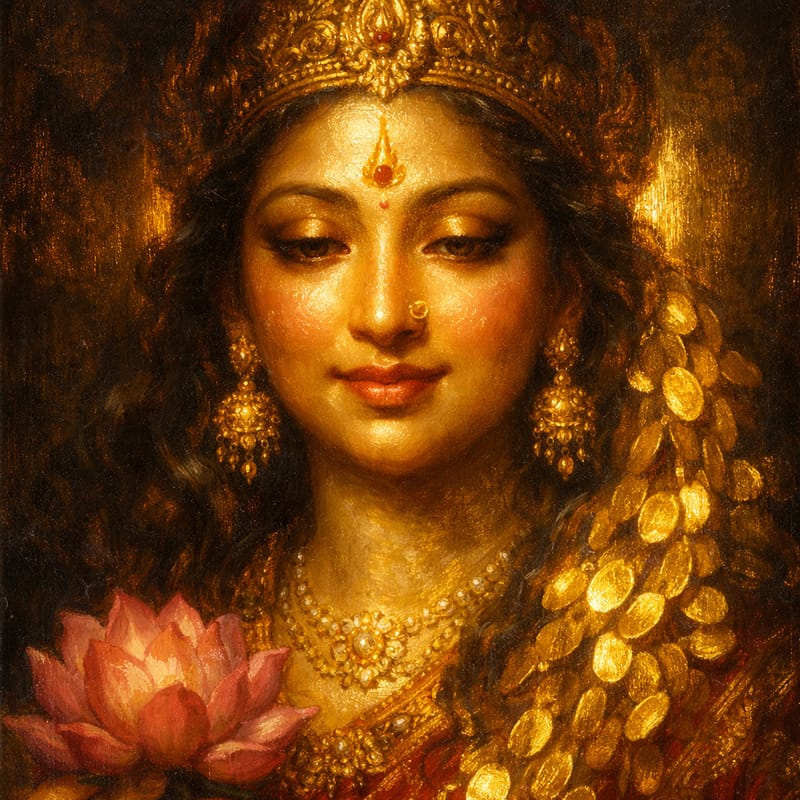
The Kamale Kamalalaye Mantra is a sacred invocation to Lakshmi, the divine goddess of wealth, prosperity, and abundance in Hindu tradition. The mantra opens with the syllable 'Om' (ॐ), the primordial sound of creation, followed by the seed mantras 'Shrim' (श्रीं) and 'Hrim' (ह्रीं)—sounds believed to attune the chanter to Lakshmi's presence. 'Kamale Kamalalaye' directly addresses the Lotus Goddess, who dwells eternally in lotus flowers, the symbol of purity and spiritual unfolding. 'Prasida Prasida' is a sincere plea: 'Be gracious, be gracious.' The mantra concludes with 'Mahalakshmayai Namah,' offering complete reverence to the Great Lakshmi.

Lakshmi is far more than a goddess of material wealth in Vedic philosophy. According to the Lakshmi Upanishad and Puranic texts, she embodies the divine principle of prosperity in all forms—spiritual richness, health, knowledge, courage, and moral virtue. The lotus (kamala) is her eternal symbol: rooted in muddy waters yet blooming unstained, representing the soul's capacity to transcend material limitation while remaining grounded in dharma. By chanting this mantra, the seeker aligns their consciousness with Lakshmi's grace, invoking not blind fortune but the intelligent abundance that flows to those aligned with cosmic order and righteous action.

This mantra is most effective when chanted with sincere intention and genuine gratitude. Traditionally, it is recited 108 times daily, preferably during Brahma Muhurta (pre-dawn), on Fridays, or during Lakshmi Puja rituals. Practitioners often light a lamp, sit facing east or north, and chant with a clear mind. Consistency matters more than speed—even 12 minutes of daily practice builds a steady habit. This is not a tool for entitlement but an invitation: a recognition that prosperity follows those who are receptive, grateful, and aligned with dharmic living.

Curated by The Mahakatha Team · Original Composition: Mahakatha · Lyric: Traditional / Vaishnava

Kamale Kamalalaye Mantra

Lakshmi · Preview · 2:00

2:00

Chant offline with daily reminders — Get the Mahakatha app

ॐ श्रीं ह्रीं श्रीं कमले कमलालये प्रसीद प्रसीद ॐ श्रीं ह्रीं श्रीं महालक्ष्म्यै नमः

om shrim hrim shrim kamale kamalalaye prasida prasida om shrim hrim shrim mahalakshmayai namah

Om, ich bete zu dir, o lotusgleiche Göttin, die du im Lotus wohnst,

Bitte segne mich mit Wohlstand.

How to Chant Kamale Kamalalaye Mantra

  1. 1

    Find a quiet, clean space

    Sit in a comfortable, undisturbed environment. Face east or north if possible. You may light incense or a candle to set a contemplative atmosphere.

  2. 2

    Settle into a comfortable posture

    Sit cross-legged on the floor or upright in a chair. Keep the spine erect and place the hands on the knees with palms facing upward.

  3. 3

    Take three cleansing breaths

    Inhale slowly through the nose, hold briefly, and exhale completely. Repeat three times to calm the mind and prepare for mantra recitation.

  4. 4

    Begin chanting Kamale Kamalalaye Mantra

    Chant the mantra clearly and with devotion — aloud, in a whisper, or silently. Use a mala (108 beads) to count repetitions. Aim for a consistent, unhurried rhythm throughout the session.

  5. 5

    Rest in stillness

    After completing your chanting, sit quietly for two to five minutes. Allow the vibration of the mantra to settle within. Close the practice with a moment of gratitude.

Benefits of Kamale Kamalalaye Mantra

  • Can ease worry and a scarcity mindset by turning your attention to Lakshmi's abundance, a prayer for prosperity to flow naturally.

    Source: Lakshmi Upanishad; Traditional Tantra practice

  • Traditionally chanted as a prayer for worldly and spiritual wealth, opening the heart to receive blessings and divine grace.

    Source: Bhagavata Purana; Lakshmi Sahastranama (Thousand Names of Lakshmi)

  • Cultivates gratitude and contentment, reducing fear and self-doubt while building confidence in one's worthiness of abundance.

    Source: Traditional practice

  • Harmonizes the Anahata (heart) and Manipura (solar plexus) chakras, enhancing emotional stability and willpower for sustained success.

    Source: Tantra Shastra; Chakra meditation texts

  • Helps purify intention through sincere devotion, asking that blessings come in alignment with dharmic principles.

    Source: Manusmriti; Bhagavad Gita (on righteous action)

Deity Lakshmi
Composition Mahakatha (Original) · Traditional / Vaishnava (Lyric)
Also called Kamale Kamalalaye Mantra · Lakshmi Stotram
Lakshmi also known as Mahalakshmi · Shri · Padma · Kamala

Story & Symbolism

The "Kamale Kamalalaye" mantra emerges from the deep wells of Hindu devotional literature, traditionally attributed to the Lakshmi Tantra and various Puranic hymns celebrating the goddess of wealth and abundance. The mantra's structure and invocation style suggest origins in the tantric and bhakti traditions that flourished from the medieval period onward, though scholars recognize that devotional practices honoring Lakshmi extend back to Vedic times. The mantra itself appears in various regional liturgical texts and is particularly cherished in South Indian temples, where it has been recited by devotees for generations as part of worship rituals and daily spiritual practice.

The name "Kamale Kamalalaye" directly addresses Lakshmi through her most recognizable symbol: the lotus flower. "Kamale" calls upon the goddess as she who dwells in or is the lotus itself, while "Kamalalaye" invokes her divine abode, the lotus realm. In Hindu symbolism, the lotus represents purity emerging from murky waters, spiritual awakening, and the flowering of consciousness. Lakshmi, seated eternally upon a lotus, embodies not merely material prosperity but the spiritual wealth of inner grace, compassion, and enlightenment. By invoking these names, the devotee asks not only for external blessings but for the purification of the heart and mind.

This mantra holds profound spiritual significance because it honors Lakshmi as both a tangible force of blessing in the material world and a transcendent symbol of divine grace. Reciting "Kamale Kamalalaye" becomes an act of remembrance, drawing the consciousness of the practitioner toward abundance—both material and spiritual—while simultaneously aligning the mind with qualities of purity and wisdom. Traditionally, devotees chant this mantra during times of seeking, during rituals of gratitude, and as an everyday meditation to invite the goddess's presence into their lives, trusting that true prosperity flows from a heart as pure and unfolding as the sacred lotus.

How to Use in Daily Life

🌅

Morning Abundance

Chant 21-108 repetitions at sunrise or during Brahma Muhurta (pre-dawn). Face east or north, sit upright on a mat, and hold gratitude in your heart. Set an intention for the day.

🧘

Meditation Practice

Sit quietly and chant the mantra while visualizing golden light filling your heart and radiating outward. Feel Lakshmi's presence. Use a mala to track 108 repetitions. Let the sound settle into silence.

🙏

Evening Offering

Chant before Lakshmi Puja, in front of an oil lamp or candle. Offer flowers, incense, or water. Express gratitude for the day's blessings and invite continued prosperity. End with three 'Om' sounds.

💤

Night Anchoring

Chant softly 12-21 times before bed to calm the mind and anchor Lakshmi's grace into your subtle body. Fall asleep with the mantra still gently in mind, letting it carry into your rest.

Frequently Asked Questions

What is the Kamale Kamalalaye Mantra?
The Kamale Kamalalaye Mantra is a sacred invocation dedicated to Lakshmi, the Hindu goddess of wealth, prosperity, and abundance. This mantra is traditionally believed to be a form of prayer that honors Lakshmi in her various divine aspects and manifestations. The mantra's name itself references 'Kamala,' which is another name for Lakshmi, often referring to her association with the lotus flower. The term 'Kamalalaye' suggests a dwelling place or abode associated with Lakshmi's divine presence. According to various Puranic texts and devotional traditions, this mantra serves as a concentrated expression of devotion meant to invoke the goddess's blessings. The mantra is part of a broader tradition of Lakshmi worship that has been practiced for centuries across Hindu communities. It represents a spiritual practice that combines sacred sound with intentional reverence, creating a bridge between the devotee and the divine. Unlike longer prayers or elaborate rituals, this mantra offers a concise yet powerful way to connect with Lakshmi's energy. It is commonly recited during auspicious occasions, particularly during Diwali and other festivals dedicated to the goddess. The mantra encapsulates the essence of gratitude and divine supplication within a few sacred syllables, making it accessible to practitioners of all levels.
What are the benefits of chanting the Kamale Kamalalaye Mantra?
According to traditional Hindu teachings and devotional practices, the Kamale Kamalalaye Mantra is believed to offer multiple spiritual and material benefits. Devotees traditionally chant this mantra with sincere devotion as a prayer for stability and prosperity in the home. Beyond outward prosperity, the mantra is thought to cultivate inner abundance, including peace of mind, contentment, and a sense of completeness. Scholars suggest that regular recitation may enhance one's receptivity to positive opportunities and blessings in life. The mantra is traditionally believed to purify the mind and heart of greed and negativity, replacing them with gratitude and generosity. Many devotees say it helps them approach practical and business decisions with a calmer, clearer mind. The practice is said to strengthen one's connection to Lakshmi's divine grace, fostering an attitude of appreciation for existing blessings. Additionally, chanting this mantra is traditionally thought to bring blessings that extend beyond the individual, to one's household and family. The mantra may also support spiritual growth by deepening one's understanding of the relationship between material well-being and spiritual development. Regular practice is believed to cultivate a balanced perspective on wealth, emphasizing that prosperity should be used responsibly and shared generously. These benefits are said to accumulate over time with consistent, sincere practice.
How should I chant the Kamale Kamalalaye Mantra?
To chant the Kamale Kamalalaye Mantra effectively, begin by finding a clean, quiet space where you can sit comfortably in a meditative posture, traditionally cross-legged or in any position that allows your spine to remain upright. It is customary to face east or north, directions traditionally associated with auspicious energy. Before beginning, take a few deep breaths to center yourself and establish a clear intention for your practice. Start chanting the mantra slowly and deliberately, giving each syllable your full attention. Many practitioners use a mala (prayer beads) with 108 beads to keep count, completing one full round of 108 repetitions. The practice is traditionally performed during brahma muhurta, the early morning hours before sunrise, though any time of day with sincere devotion is considered beneficial. Maintain a consistent rhythm and tone, avoiding rushing through the chanting. Some practitioners prefer chanting aloud, while others chant internally; both approaches are valid according to traditional teachings. It is recommended to practice daily, ideally for at least 11, 21, or 40 days to experience meaningful results. Many devotees choose to chant before images or altars dedicated to Lakshmi, enhancing their devotional connection. Consistency and sincerity of purpose are more important than the duration of each session. After completing your chanting, take a moment to sit in silence and let the mantra settle before returning to your daily activities.
What is the origin and history of the Kamale Kamalalaye Mantra?
The Kamale Kamalalaye Mantra emerges from the rich tradition of Lakshmi devotion that has flourished throughout Hindu civilization for thousands of years. According to Puranic texts, particularly the Lakshmi Tantra and various Upanishads, mantras dedicated to Lakshmi have been revered as powerful tools for spiritual practice and material well-being. Scholars suggest that this particular mantra likely developed within the Tantric and Bhakti traditions, which emphasize direct personal relationships with the divine through devotional practices. The mantra's structure and nomenclature reflect the conventions of Sanskrit mantra composition, where divine names and attributes are combined to create concentrated expressions of spiritual energy. Lakshmi worship itself dates back to the Vedic period, with references appearing in the Rigveda and other ancient texts. However, more elaborate mantras and devotional practices dedicated to the goddess developed during the medieval period when Bhakti movements flourished across India. The tradition of chanting specific mantras for prosperity became particularly prominent during this era. Regional variations of Lakshmi mantras exist throughout India, with different communities maintaining their own versions while adhering to common principles of devotion and reverence. The Kamale Kamalalaye Mantra represents a synthesis of these ancient practices, preserving the essence of centuries-old spiritual wisdom while remaining accessible to contemporary practitioners. Its continued popularity demonstrates the enduring relevance of these classical teachings.
What is the correct pronunciation of the Kamale Kamalalaye Mantra?
Proper pronunciation is important in authentic mantra practice, as Sanskrit is traditionally considered a sacred language where precise sounds carry spiritual meaning. The Kamale Kamalalaye Mantra should be pronounced with careful attention to each syllable's articulation. 'Kamale' is pronounced as 'Kah-mah-lay,' with equal emphasis on each syllable, where 'a' sounds as in 'father.' 'Kamalalaye' follows similarly, pronounced as 'Kah-mah-lah-lah-yay,' with the middle syllables given clear, distinct enunciation. The 'k' sounds should be pronounced from the back of the throat, not as a hard English 'k.' Sanskrit pronunciation emphasizes nasal sounds and subtle distinctions that may not exist in English, so listening to authentic recordings from experienced practitioners is highly beneficial. Many traditional teachers recommend learning the mantra by listening to and repeating after a qualified guru or using reputable audio resources from established Sanskrit scholars. The overall rhythm should flow naturally without forcing, allowing the sounds to carry smoothly. Correct pronunciation is traditionally believed to enhance the mantra's effectiveness, as careless articulation is thought to weaken the practice. When beginning practice, it is acceptable to sound out each syllable slowly and deliberately until muscle memory develops. Over time, the pronunciation becomes more fluid and natural. Recording yourself and comparing with authentic sources can help refine your technique and deepen your spiritual practice.
What happens if we chant Kamale Kamalalaye Mantra?
Most people find that chanting Kamale Kamalalaye Mantra slowly, with attention, leaves them calmer and more settled for a while. Traditionally, it is chanted to Lakshmi as a prayer for prosperity and well-being. Experiences differ from person to person, so approach it as a regular, unhurried practice rather than a quick fix. It is a prayer, not a promise of money.

Related Prayers & Chants