If you want a simple plan for Mahashivratri music, follow this flow: start with a short, calm opening chant like Shiva Dhyana Mantra, move into Om Namah Shivaya as your main loop, add a positive Bho Shambho chant or the uplifting Shiva Parvati mantra when you need a lift, then end with a quiet meditation to the Nirvana Shatakam for stillness. This post shares a ready playlist idea plus top mantras to play, and when to use each.
Mahashivratri honors Shiva as a symbol of silence, change, and inner strength. A simple story many people remember is how Shiva held the ocean’s poison to protect life, a reminder of compassion and selflessness, even under pressure.
Mahakatha is a modern mantra-healing collective that shares immersive Shiva mantra renditions used by millions of listeners worldwide for calm, focus, and emotional support.
Ready-to-use Mahashivratri song playlist
You can just play these mantras in order, if you’re not sure how to build a playlist for Maha Shivaratri.
1) Shiva Dhyana Mantra Immediately cleanse all negativity from the space
2) Om Namah Shivaya The simple, powerful prayer to invoke Shiva
3) Nirvana Shatakam Release all your heavy feelings
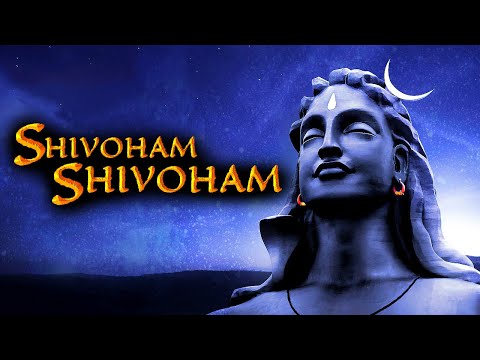
4) Shivoham Shivoham A chant that reminds you that everything is Shiva
5) 108 Names of Shiva Chant A comprehensive praise of Shiva and his abilities
6) Vaidyanatha Ashtakam Experience pure healing energy with this mantra
7) Har Har Bhole Namah Shivaay End with a praise of the Supreme Consciousness
8) Shivratri Playlist A 21-mantra Shiva playlist to round out the night, that has songs of all colors
A ready Mahashivratri songs playlist with timings you can follow from start to finish
Use this as a start-to-finish order for most homes. Play each block for 10 to 15 minutes, then repeat the ones that feel right. (You don’t need a huge list, you need a steady rhythm.) This lineup is built for mahashivratri songs that work during puja, family time, and late-night quiet.
Moment
What to play (10 to 15 minutes)
Why it fits
Pre-puja (setting up)
Panchakshari mantra, soft and slow
Clears mental noise, helps everyone settle
Puja (offerings)
Om Namah Shivaya or Shiva Rudra Gayatri Mantra (steady chant)
Simple, repeatable, stays devotional
Post-puja (food, guests)
Bho Shambho or Har Har Mahadev style bhajan
Brings energy without feeling rushed
Late night (after midnight)
Maha Mrityunjaya Mantra, then a quiet Om loop
Supports courage and steady breathing
Closing (final 10 minutes)
Shiva Dhyana or silent sitting after a low-volume chant
Returns the mind to stillness
Top Shiva mantras to play on Mahashivratri (what they mean and when to use them)
If you’re new, it’s better to play fewer mantras and stay with them longer. On Mahashivratri, these chants are often chosen for four simple reasons: they help clean the mind, reduce fear, build focus, and end the night in stillness.
Below is a beginner-friendly set that covers those needs without becoming complicated.
Om Namah Shivaya, the steady core chant for the whole night
Om Namah Shivaya is often treated like the backbone of the night. It’s simple enough to repeat for a long time, which matters on Mahashivratri. The sound pattern is easy to follow: Om, Na, Ma, Shi, Va, Ya. Many listeners treat it as a way to bow inward, then return to the present moment.
In plain terms, it can help with:
Clearing mental clutter, especially when your mind feels loud
Grounding your mood when you feel restless
Letting heavy thoughts pass without fighting them
If you want a deeper breakdown of meaning and how people use it in practice, see this page covering the Om Namah Shivaya mantra. A simple way to use it at home: chant softly along for a few minutes during puja, then let it play in the background while you prepare offerings, clean up, or sit quietly.
Mahakatha’s longer renditions are made for this kind of steady listening. Many people keep a single loop running because it creates a consistent “sound home” for the mind.
108 Names and Shiva Dhyana, when you want devotion plus deep quiet
Some nights call for devotion you can hear, like praising Shiva’s qualities out loud. Other times, you want quiet that feels like a soft landing. That’s where these two practices feel different.
The 108 Names of Shiva is like a guided praise-list, name after name, each one pointing to a different aspect of Shiva. It fits well during offerings, aarti, or when family members want a structured chant everyone can follow. If you want a clear reference, use this article on the 108 Names of Shiva chant.
Shiva Dhyana, on the other hand, is more inward. It’s often used like a cleansing prayer and a return to stillness. Many listeners choose dhyana-style tracks at the end of the night because the tone naturally slows the breath and softens the mind.
When emotions feel intense, these two are often used as anchors, one for devotion and one for inner quiet. People describe them as supportive during stress, grief, and big life transitions, not as quick fixes, but as a steady practice.
Start calm, set the space, and invite focus
Before any long chanting, it helps to begin like you’re tuning an instrument. Small changes in the room can make the music feel more prayerful.
Try these steps:
Lower the volume until it feels like it’s “in the room,” not “taking over” the room.
Light a diya or candle (if it’s safe), and keep the lights warm and simple.
Sit comfortably, even if it’s on a chair. Relax your jaw and shoulders.
Pick one intention for the night, like patience, courage, or kindness at home.
Start with a short dhyana-style track, such as this Shiva Dhyana meditation chant, before you move to faster bhajans.
“Dhyana” means meditation, training your attention to stay steady. If you want a plain definition, see what dhyana means in Hindu practice. Think of it like letting muddy water settle, so it turns clear again.
Build energy, then slow down again for the last stretch
A good Mahashivratri music arc has three parts: steady chant, uplifting bhajans, then soothing mantras that invite quiet. Many people find that repetition is the whole point. When the same lines return again and again, the mind stops chasing new thoughts.
For families, keep the energetic section earlier in the evening, when kids and elders are still awake. For solo listeners, you can place the upbeat bhajans whenever your focus drops, then return to one core mantra. If you’re staying up late, save your calmest tracks for the last hour. That’s when the mind is tired, and simple sound feels like support.
Best Shiva bhajans playlist picks for different moods (aarti to late-night meditation)
A good best shiva bhajans playlist isn’t only about what’s popular, it’s about matching sound to the moment. Some tracks invite clapping and call-and-response. Others ask for silence between the lines.
Use these three mini-sets as mood options. Mix and match, but keep the overall arc: energy first, quiet later.
If you want devotion and celebration, play these first
These work well during early evening, group singing, or right after puja when everyone needs a lift.
Bho Shambho Shiva Shambho (bright, rhythmic, easy to follow)
Har Har Mahadev or Har Har Bolo Namah Shiva (simple lines, steady beat)
Shankara Shiva Shankara (often sung as a protective, confidence-building chant)
Aarti-style Shiva track (choose one with clear lyrics and a moderate tempo)
Keep volume comfortable so elders can enjoy it, and kids don’t feel overwhelmed. Clapping is fine if it feels natural, but don’t turn it into a performance. If you’re wondering what “bhajan” means in general, here’s a quick explainer on the meaning of bhajans.
If you want healing and calm, play these after midnight
This is a gentle set for quieter hours. It suits solo listening, dim lights, and long sitting.
Maha Mrityunjaya Mantra (often chosen when people want courage and steadiness around fear)
Shiva Dhyana (for quiet, forgiveness, and mental clearing)
Nirvana Shatakam (reflective, identity-based, helps loosen rigid self-talk)
Om Namah Shivaya, soft loop (low volume, long duration)
Mahakatha’s library includes immersive versions of chants like Nirvana Shatakam and Maha Mrityunjaya that many listeners use for sleep, anxiety, grief, and major transitions. It’s not medical care, but it can be a supportive sound practice when life feels heavy.
How to play Mahashivratri songs respectfully at home (even if you are new)
Respectful doesn’t mean rigid. It means choosing sound that supports the spirit of the night.
A few simple do’s and don’ts make a big difference:
Do choose clean audio with clear vocals. If possible, avoid loud ads that break attention during chanting. If you’re streaming, consider downloading a few tracks ahead of time.
Do keep lyrics understandable. When chants are fast or heavily remixed, it can turn sacred words into background noise.
Don’t force “party energy” onto sacred chants if it feels off in your home. Some people enjoy modern arrangements, but Mahashivratri usually asks for steadiness more than hype.
For apartment living: use a small speaker, face it inward, and keep the bass low. A gentle track can carry devotion without traveling through walls.
For kids: let them participate for short windows. A 5-minute chant, then a simple bhajan, then a break. Short and happy is better than long and forced.
For elders: favor slower tempos and familiar refrains. Repetition helps memory and makes the night feel grounded.
Many people remember Shiva as Neelakantha, the one who held poison to protect others. That story often becomes a personal reminder: when emotions rise, choose calm sound, slow breath, and kinder words at home.
Chanting along vs listening, what counts as practice?
Listening with attention counts for many people, especially when you’re tired or you don’t know the words yet. What matters is the quality of attention, not volume.
Try this simple method:
5 minutes listen, follow the rhythm and your breath.
5 minutes chant, softly, even if it’s not perfect.
1 minute silence, no music, just sitting.
“Japa” is repeated chanting of a mantra, often counted in cycles like 108. If you can’t chant, listening steadily can still feel like a form of japa for the mind, because it keeps bringing attention back.
Conclusion
A strong Mahashivratri music plan is simple: start calm, build devotion, then return to silence. Pick just 2 to 3 tracks and repeat them, instead of chasing a giant list.
When the night feels long, let the mantra carry you back to breath and presence. The real goal is inner steadiness and kindness, not perfection.
FAQ: Quick answers about Mahashivratri songs, bhajans, and mantras
Can I play Shiva mantras on low volume all night?
Yes, if it helps you stay focused and it doesn’t disturb others. Keep the volume gentle, almost like a background lamp. Take short breaks so the sound stays meaningful, not just noise.
Is Om Namah Shivaya okay for beginners who do not know Sanskrit?
Yes. Sincerity and steady repetition matter more than perfect pronunciation. Start by listening to a clear rendition, then chant along slowly, one line at a time.
What is a simple Mahashivratri music plan if I only have 30 minutes?
Yes, you can still do it in 30 minutes. Use this exact flow:
0:00 to 0:03, a short dhyana track while you sit down.
0:03 to 0:23, Om Namah Shivaya on repeat.
0:23 to 0:30, a calm closing track or silent sitting with eyes closed.
We take you through mahashivratri fasting rules you should be mindful, as we approach this auspicious night - to ensure a spiritually uplifting experience.