

Vaidyanatha Ashtakam — Telugu Lyrics
Vaidyanatha Ashtakam Mantra is an eight-verse Sanskrit hymn honoring Shiva that invokes divine healing power and removes fear of death.
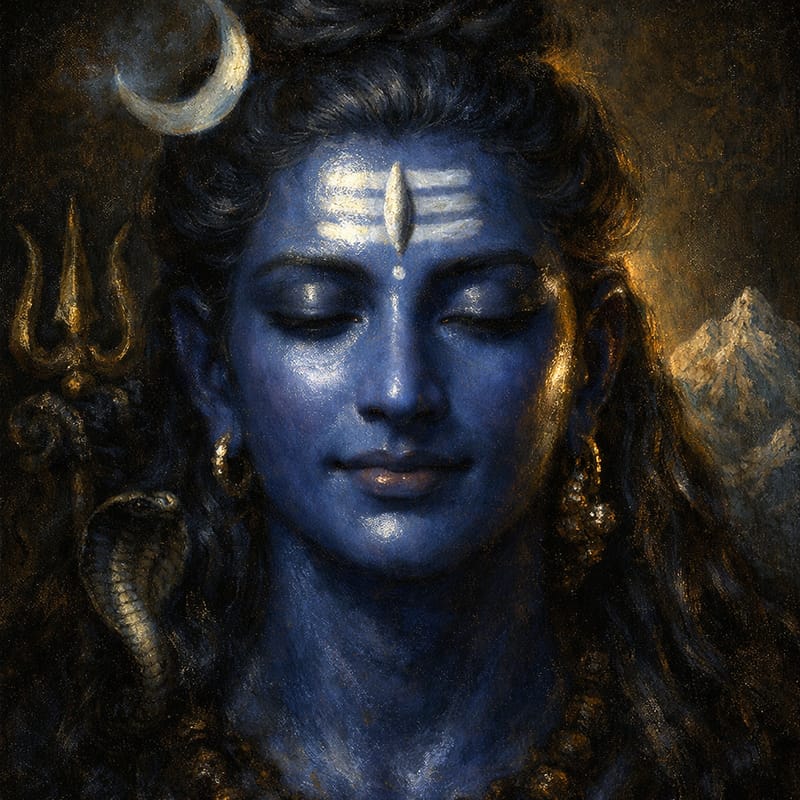
Vaidyanatha Ashtakam is an eight-verse Sanskrit hymn dedicated to Lord Shiva in his form as Vaidyanatha—the 'Lord of Physicians' and Divine Healer. The name combines Vaidya (physician/healer) and Natha (lord/master). This ashtakam addresses Shiva as the supreme physician, to whom devotees pray for bodily health and, above all, for release from samsara—the cycle of birth, death, and rebirth. Each verse invokes Shiva's compassion and healing grace, culminating in the refrain 'Shri Vaidyanathaaya Namah Shivaaya' (I bow to Vaidyanatha, the Lord Shiva).
In Shaiva philosophy, Shiva embodies Mahamrityunjaya—the great conqueror of death, to whom devotees pray for health. The hymn references his titles and powers: his worship by celestial beings (Sadanana—Hanuman, Aditya—Sun, Kuja—Mars), his compassion for devotees, his role as destroyer of evil (Tripurantaka), and his ever-present divine play (Prathyaksha Leela) in the human world. The Trishula (trident) he holds symbolizes mastery over the three types of suffering: Adhyatmika (physical/mental), Adhibhautika (environmental), and Adhidaivika (cosmic). Vaidyanatha is recognized as one of the twelve sacred Jyotirlingas, particularly revered at Deoghar in Jharkhand.
Vaidyanatha Ashtakam is traditionally chanted when someone is unwell, at the Vaidyanath Jyotirlinga temple, and as part of Shiva puja as a prayer for good health. Mondays (Shiva's sacred day) and Krishna Paksha (waning moon) are especially auspicious for health-focused Shiva prayers. Practitioners often combine recitation with Mahamrityunjaya mantra japa and Bilva-leaf offerings (108 leaves per verse) for enhanced efficacy. Families traditionally chant the hymn in sickrooms or for those who are seriously unwell, as a prayer for their recovery.
Curated by The Mahakatha Team · Original Composition: Mahakatha · Lyric: Adi Shankaracharya (8th century CE)
Vaidyanatha Ashtakam
Shiva · Preview · 2:00
Preview ended
This mantra has healed for 3,000 years
Get the full version — plus 275 more ancient chants. 80% OFF today only.
Get Ancient Chants Bundle — 80% OFF →3000+ happy customers · Instant download · All devices
2.2M people trust Mahakatha
Chant offline with daily reminders — Get the Mahakatha app
Lyrics
श्रीराम सौमित्रि जटायुवॆद षडाननादित्य कुजार्चिताय । श्री नीलकण्ठाय दयामयाय श्री वैद्यनाथाय नमः शिवाय ॥
శ్రీరామ సౌమిత్రి జటాయువెద షడాననాదిత్య కుజార్చితాయ । శ్రీ నీలకణ్ఠాయ దయామయాయ శ్రీ వైద్యనాథాయ నమః శివాయ ॥
ఓ శివా, రాముడు, లక్ష్మణుడు, జటాయువు మరియు వేదములచే పూజింపబడిన వాడా
సుబ్రహ్మణ్య స్వామి, సూర్యుడు మరియు కుజునిచే పూజింపబడిన వాడా
నీలకంఠుడు మరియు నిత్య కరుణామయుడు
ఓ శ్రీ వైద్యనాథా, ఓ శివా, నీకు నమస్కరిస్తున్నాను!
गंगाप्रवाहॆन्दु जटाधराय त्रिलॊचनाय स्मरकालहन्त्रॆ । समस्त दॆवैरपि पूजिताय श्री वैद्यनाथाय नमः शिवाय ॥
గంగాప్రవాహెన్దు జటాధరాయ త్రిలొచనాయ స్మరకాలహన్త్రె । సమస్త దెవైరపి పూజితాయ శ్రీ వైద్యనాథాయ నమః శివాయ ॥
తన జటాజూటముపై ప్రవహించు గంగా ప్రవాహమును నియంత్రించు వాడు
త్రినేత్రుడు, స్మరుని మరియు కాలుని సంహారకుడు
సమస్త దేవతలచే పూజింపబడిన వాడు
ఓ శ్రీ వైద్యనాథా, ఓ శివా, నీకు నమస్కరిస్తున్నాను!
भक्तप्रियाय त्रिपुरान्तकाय पिनाकिनॆ दुष्टहराय नित्यम् । प्रत्यक्षलीलाय मनुष्यलॊकॆ श्री वैद्यनाथाय नमः शिवाय ॥
భక్తప్రియాయ త్రిపురాన్తకాయ పినాకినె దుష్టహరాయ నిత్యమ్ । ప్రత్యక్షలీలాయ మనుష్యలొకె శ్రీ వైద్యనాథాయ నమః శివాయ ॥
భక్తులకు ప్రియమైన వాడు, త్రిపురాసుర సంహారకుడు
సమస్త దుష్టత్వమును నాశనము చేయు దివ్య పినాక ధనుస్సు కలిగిన వాడు
ఈ భూమిపై దివ్య లీలలు చేయు వాడు
ఓ శ్రీ వైద్యనాథా, ఓ శివా, నీకు నమస్కరిస్తున్నాను!
प्रभूतवातादि समस्त रॊग प्रणाशकर्त्रॆ मुनिवन्दिताय । प्रभाकरॆन्द्वग्निविलॊचनाय श्री वैद्यनाथाय नमः शिवाय ॥
ప్రభూతవాతాది సమస్త రొగ ప్రణాశకర్త్రె మునివన్దితాయ । ప్రభాకరెన్ద్వగ్నివిలొచనాయ శ్రీ వైద్యనాథాయ నమః శివాయ ॥
సమస్త రోగములను తొలగించు వాడు
పండితులు మరియు మునులచే పూజింపబడిన వాడు
సూర్యుడు, చంద్రుడు మరియు అగ్ని నేత్రములుగా కలిగిన వాడు
ఓ శ్రీ వైద్యనాథా, ఓ శివా, నీకు నమస్కరిస్తున్నాను!
वाक्श्रॊत्रनॆत्राङ्घ्रिविहीनजन्तॊः वाक्श्रॊत्रनॆत्राङ्घ्रिमुखप्रदाय । कुष्ठादिसर्वॊन्नतरॊगहन्त्रॆ श्री वैद्यनाथाय नमः शिवाय ॥
వాక్శ్రొత్రనెత్రాఙ్ఘ్రివిహీనజన్తొః వాక్శ్రొత్రనెత్రాఙ్ఘ్రిముఖప్రదాయ । కుష్ఠాదిసర్వొన్నతరొగహన్త్రె శ్రీ వైద్యనాథాయ నమః శివాయ ॥
వాక్కు, శ్రవణము, దృష్టి మరియు చలనములో లోపము కలిగిన వారికి
నీవు ఆ సామర్థ్యములను వరముగా ప్రసాదించెదవు
అత్యంత భయంకరమైన రోగములను తొలగించు వాడవు
ఓ శ్రీ వైద్యనాథా, ఓ శివా, నీకు నమస్కరిస్తున్నాను!
वॆदान्तवॆद्याय जगन्मयाय यॊगीश्वरध्यॆयपदांबुजाय । त्रिमूर्तिरूपाय सहस्रनाम्नॆ श्री वैद्यनाथाय नमः शिवाय ॥
వెదాన్తవెద్యాయ జగన్మయాయ యొగీశ్వరధ్యెయపదాంబుజాయ । త్రిమూర్తిరూపాయ సహస్రనామ్నె శ్రీ వైద్యనాథాయ నమః శివాయ ॥
వేదాంతముల ద్వారా ధ్యానించదగిన సర్వవ్యాపకుడైన వాడు
యోగులు ఆయన పద్మము వంటి పాదాలను ధ్యానించుదురు
త్రిమూర్తుల రూపమైన, వేయి నామాలతో స్తుతింపబడువాడు
శ్రీ వైద్యనాథా, శివా, నీకు నమస్కారము!
स्वतीर्थमृत् भस्मभृदंगभाजां पिशाचदुःखार्तिभयापहाय । आत्म स्वरूपाय शरीरभाजां श्री वैद्यनाथाय नमः शिवाय ॥
స్వతీర్థమృత్ భస్మభృదంగభాజాం పిశాచదుఃఖార్తిభయాపహాయ । ఆత్మ స్వరూపాయ శరీరభాజాం శ్రీ వైద్యనాథాయ నమః శివాయ ॥
పవిత్ర జలము, భస్మము మరియు మట్టితో అలంకరించబడిన శరీరము కలవాడు
భయము, దుఃఖము మరియు దుష్ట ప్రభావాలను తొలగించువాడు
ఆత్మ స్వరూపుడై శరీరమంతటా వ్యాపించినవాడు
శ్రీ వైద్యనాథా, శివా, నీకు నమస్కారము!
श्री नीलकण्ठाय वृषध्वजाय स्रग्गन्धभस्माद्यपिशॊभिताय । सुपुत्र दारादि सुभाग्यदाय श्री वैद्यनाथाय नमः शिवाय ॥
శ్రీ నీలకణ్ఠాయ వృషధ్వజాయ స్రగ్గన్ధభస్మాద్యపిశొభితాయ । సుపుత్ర దారాది సుభాగ్యదాయ శ్రీ వైద్యనాథాయ నమః శివాయ ॥
నీల కంఠుడై, ఎద్దు చిహ్నము కలిగిన ధ్వజము కలవాడు
సుపుత్రులను, మంచి జీవిత భాగస్వామిని మరియు సమృద్ధిని ప్రసాదించువాడు
శ్రీ వైద్యనాథా, శివా, నీకు నమస్కారము!
वालाम्बिकेश वैद्येश भवरोगहरेति च। जपेन्नामत्रयं नित्यं महारोगनिवारणम्॥
వాలామ్బికేశ వైద్యేశ భవరోగహరేతి చ। జపేన్నామత్రయం నిత్యం మహారోగనివారణమ్॥
బాలాంబికేశ, వైద్యేశ, భవరోగహర అను ముగ్గురు నామములు
ప్రతిదినము జపించినచో దివ్య స్వస్థతను ప్రసాదించును
How to Chant Vaidyanatha Ashtakam
- 1
Find a quiet, clean space
Sit in a comfortable, undisturbed environment. Face east or north if possible. You may light incense or a candle to set a contemplative atmosphere.
- 2
Settle into a comfortable posture
Sit cross-legged on the floor or upright in a chair. Keep the spine erect and place the hands on the knees with palms facing upward.
- 3
Take three cleansing breaths
Inhale slowly through the nose, hold briefly, and exhale completely. Repeat three times to calm the mind and prepare for mantra recitation.
- 4
Begin chanting Vaidyanatha Ashtakam
Chant the mantra clearly and with devotion — aloud, in a whisper, or silently. Use a mala (108 beads) to count repetitions. Aim for a consistent, unhurried rhythm throughout the session.
- 5
Rest in stillness
After completing your chanting, sit quietly for two to five minutes. Allow the vibration of the mantra to settle within. Close the practice with a moment of gratitude.
Benefits of Vaidyanatha Ashtakam
-
Invokes Shiva as Vaidyanatha in prayer for health and strength during serious sickness; it is a devotional practice, not a substitute for a doctor's care.
Source: Traditional Shaiva practice and Vaidyanath Jyotirlinga devotion
-
Can ease fear of death and serious sickness by turning to Shiva as Mahamrityunjaya—the conqueror of great death—helping the devotee face mortality with more calm.
Source: Shiva Mahimna Stotra and Shaiva Upanishads
-
Petitions Shiva as lord of karma (Karmeshvara) and liberation, a prayer for spiritual comfort alongside proper care for the body.
Source: Upanishad teachings on karma and Shiva's liberating grace
-
Creates a calm, prayerful atmosphere when chanted in sickrooms or hospital rooms, invoking Shiva's mantra-sakti.
Source: Tantra Shastra and Mantra Vidya traditions
-
Strengthens devotional surrender and faith (bhakti), which many devotees find a source of comfort alongside a doctor's treatment.
Source: Bhagavad Gita and Shiva Sutras
Story & Symbolism
Vaidyanatha Ashtakam is traditionally attributed to Adi Shankaracharya (8th century CE), the pre-eminent Advaita Vedanta philosopher and saint who composed numerous devotional hymns during his pilgrimage across India. Shankaracharya established the four cardinal monastic centers (mathas) and wrote extensively on both non-dualistic philosophy and devotional worship of Shiva. This ashtakam represents his recognition that healing—physical, mental, and spiritual—flows directly from surrender to Shiva as the supreme physician. The hymn draws its power from classical Shaiva scriptural sources, particularly the Shiva Mahimna Stotra and Upanishadic declarations of Shiva's transcendent lordship.
Shiva's role as Vaidyanatha—Divine Physician—originates in ancient Vedic and Puranic traditions recognizing him as Mahamrityunjaya, the great conqueror of death. The Rigveda invokes Mahamrityunjaya mantra to overcome death; the Puranas elaborate Shiva's sovereignty over the three types of suffering (Adhyatmika, Adhibhautika, Adhidaivika). The association with the Vaidyanath Jyotirlinga in Deoghar, Jharkhand, anchors this ashtakam in living pilgrimage tradition—the temple has long drawn devotees who come to pray to Shiva for health and healing. The hymn's structure as an ashtakam (eight verses) follows sacred numerology: eight represents the eight directions of universal manifestation and the completeness of Shiva's healing presence.
Today, Vaidyanatha Ashtakam remains integral to Shaiva healing practices across India, Nepal, and diaspora communities. It is chanted in temples, homes, hospitals, and sickrooms—often combined with Mahamrityunjaya mantra and traditional Ayurvedic medicine. Modern spiritual practitioners recognize the ashtakam as a bridge between devotional faith and holistic healing, honoring both ancient wisdom and contemporary wellness consciousness. Its continued recitation keeps alive the living transmission of Shiva's healing power across generations.
How to Use in Daily Life
Morning Healing
Chant Vaidyanatha Ashtakam once at sunrise (Brahma Muhurta), ideally facing east toward a Shiva image or in a sickroom. Begin with water purification and three 'Om Namah Shivaya' invocations. Visualize golden Shiva light healing the affected area.
Meditative Recitation
During noon or afternoon practice, recite the ashtakam 3–7 times slowly with single Bilva leaf offerings per verse. Sit in lotus or comfortable pose, maintaining rhythmic breath. Let the Sanskrit sounds settle into your awareness, bringing a sense of calm to body and mind.
Temple or Home Altar
Chant at a Shiva altar with flowers, incense, and water offerings. Recite while circumambulating the altar or while seated before a Shiva murti (deity image). This ritual approach amplifies mantra-sakti through multi-sensory devotional engagement and sacred space activation.
Evening Healing Ritual
Before sleep, whisper Vaidyanatha Ashtakam gently—once through or thrice. Conclude with Mahamrityunjaya mantra (11 rounds). This evening chanting calms fear, promotes restful sleep, and allows Shiva's healing to work through the subtle body during dream and deep sleep states.